
Three days in Iceland sounds ambitious. It is — but it’s also entirely doable if you rent a car and plan your route well. We visited Iceland in March 2024 (19-21 of March 2024) and managed to cover the Golden Circle, the full South Coast, Sky Lagoon, and a good chunk of Reykjavik in just 72 hours. We even caught a volcano eruption along the way (more on that below).
This Iceland 3-day itinerary is built around self-driving, which gives you flexibility to linger where it matters and skip what doesn’t. I’ve included honest notes on parking costs, what’s worth your time, and a few places I’d do differently with hindsight.
Table of Contents
Is 3 Days in Iceland Enough?
For a first visit, yes — if you focus. You won’t see everything, but you’ll cover the highlights most people come for: dramatic waterfalls, geothermal pools, black sand beaches, and Reykjavik. Renting a car is essential. Public transport won’t get you to most of these places. We rented our car form a heap car rental company that turned out to be Polish :-). They weren’t based at the airport terminal but the transfer to their base and from it to the airport on or departure day was seamless and didn’t waste much of our time.
We arrived around 11am on day one and departed at 6pm on day three, so this itinerary is built around that window.
Day 1: The Golden Circle (Self-Drive)
Most people tackle the Golden Circle in the standard order. We did it in reverse — starting at the far end and working back towards Reykjavik. The advantage: fewer crowds at each stop early on, and we still had time everywhere we wanted.
Þingvellir National Park (Thingvellir)
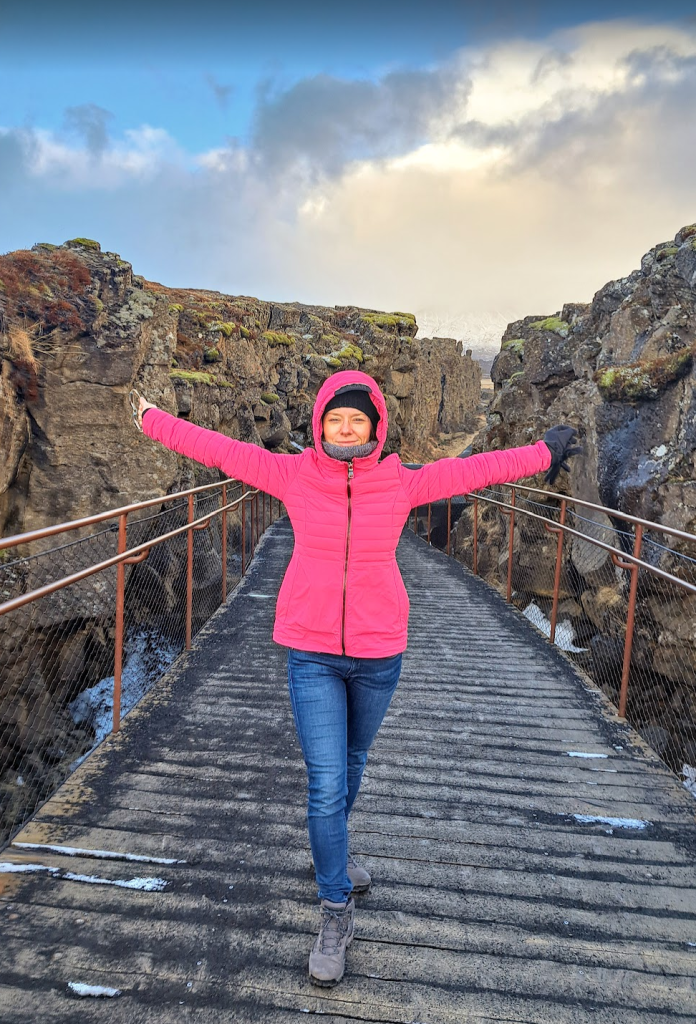
Park at the visitors’ centre (a few hundred ISK) and walk the 1.5km trail up to Öxarárfoss waterfall. The path cuts through a narrow canyon between the tectonic plates — genuinely one of the more unique walks I’ve done. Allow just over an hour if you stop for photos, which you will.
Geysir Geothermal Area (Haukadalur)
Free parking, a small shopping and restaurant area, and a field full of geysers including the famous Strokkur, which erupts every few minutes. We spent about 15 minutes here — it doesn’t need longer unless you want to wait repeatedly for eruptions. The landscape alone is worth the stop.
Worth knowing: On the road to Geysir, you’ll pass Efstidalur II, a working farm restaurant with excellent food. Further along is Laugarvatn Fontana spa, where you can take the waters and try geothermally baked lava bread. The bread experience runs twice daily (around 11am and 2pm) and costs around £17. We were too late, but if timing works, it’s a nice addition.
Gullfoss Waterfall
One of Iceland’s most iconic waterfalls — two-tiered, thundering, and genuinely impressive in any season. Free parking and facilities on site. We didn’t linger long but it’s a must-stop.
Kerið Crater Lake
Striking volcanic crater with a vivid lake at the bottom. In warmer months the contrast between red rock and turquoise water is spectacular. In March, snow covers the crater rim, which softens the drama somewhat — still worth stopping but manage your expectations vs. summer photos.
Tomato Farm (Friðheimar)
A working greenhouse farm that serves excellent tomato soup in a restaurant surrounded by growing tomato plants. Quirky and genuinely good — worth a stop if you’re hungry and in the area.
What We Skipped
Day 2: South Coast Road Trip (Route 1 / Ring Road)
This was the standout day. The South Coast delivers a relentless sequence of dramatic landscapes — waterfalls, black beaches, sea stacks, and canyon walks. Leave early; there’s a lot to cover.
Seljalandsfoss Waterfall
You can walk behind this waterfall — the path takes you right through the spray. You will get wet. Budget waterproof layers are essential. Paid parking on site.
Don’t miss: Just a short walk from Seljalandsfoss is Gljúfrabúi — a hidden waterfall tucked inside a canyon. You have to wade slightly into the gorge to see it properly. It’s more dramatic and atmospheric than its famous neighbour and most people walk straight past it. Don’t be one of them.
Skógafoss Waterfall
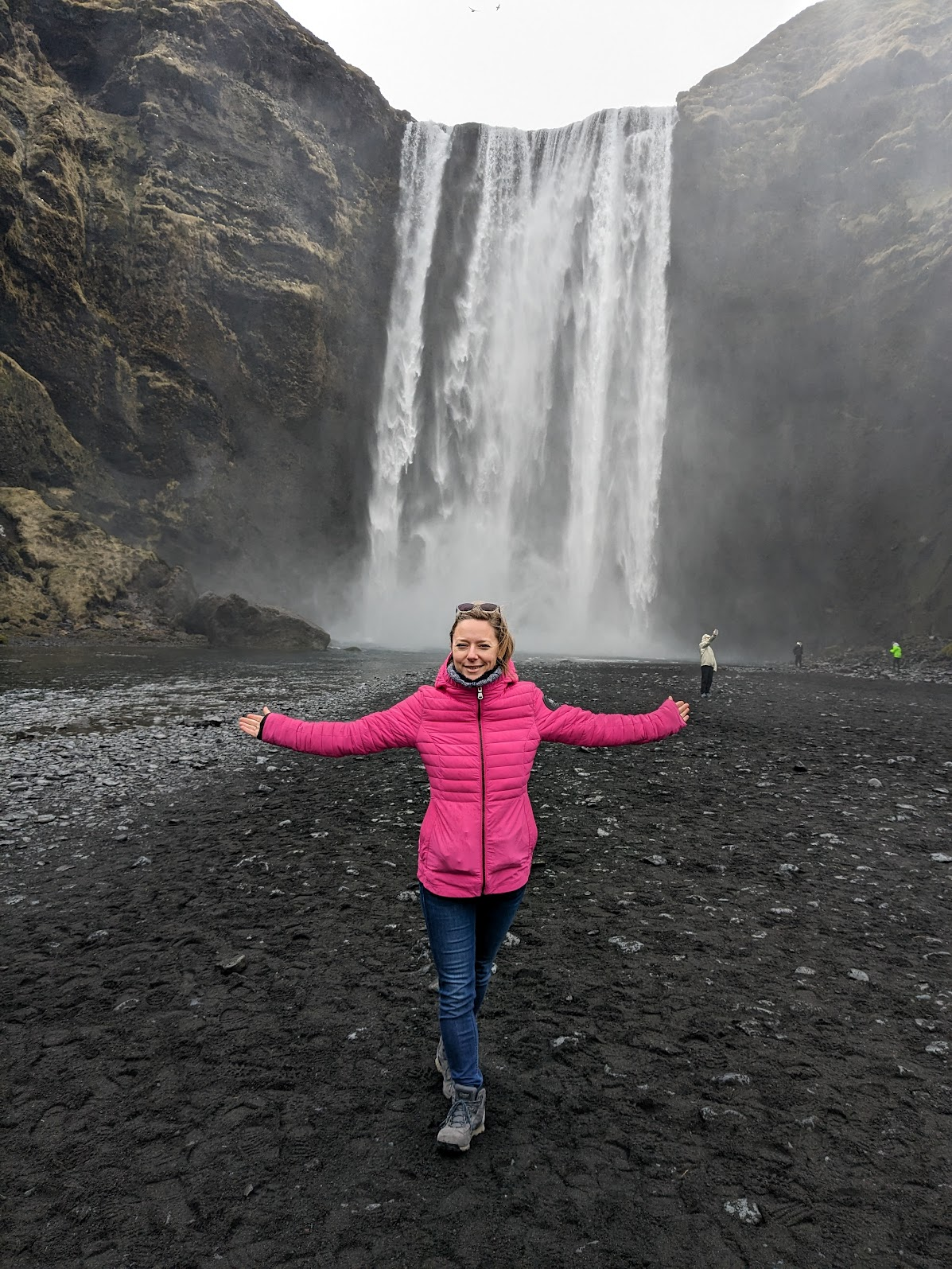
The most powerful waterfall on this route. I wasn’t sure I needed to see another waterfall by this point — I was wrong. The scale and force of Skógafoss is different. The hillside above it is beautiful too.
Dyrhólaey Peninsula
A rocky headland with views over the black beach and sea stacks below. It’s a steep drive up but the panorama at the top is stunning. In spring and summer you’ll spot puffins on the cliffs. Don’t miss this one.
Reynisfjara Black Sand Beach
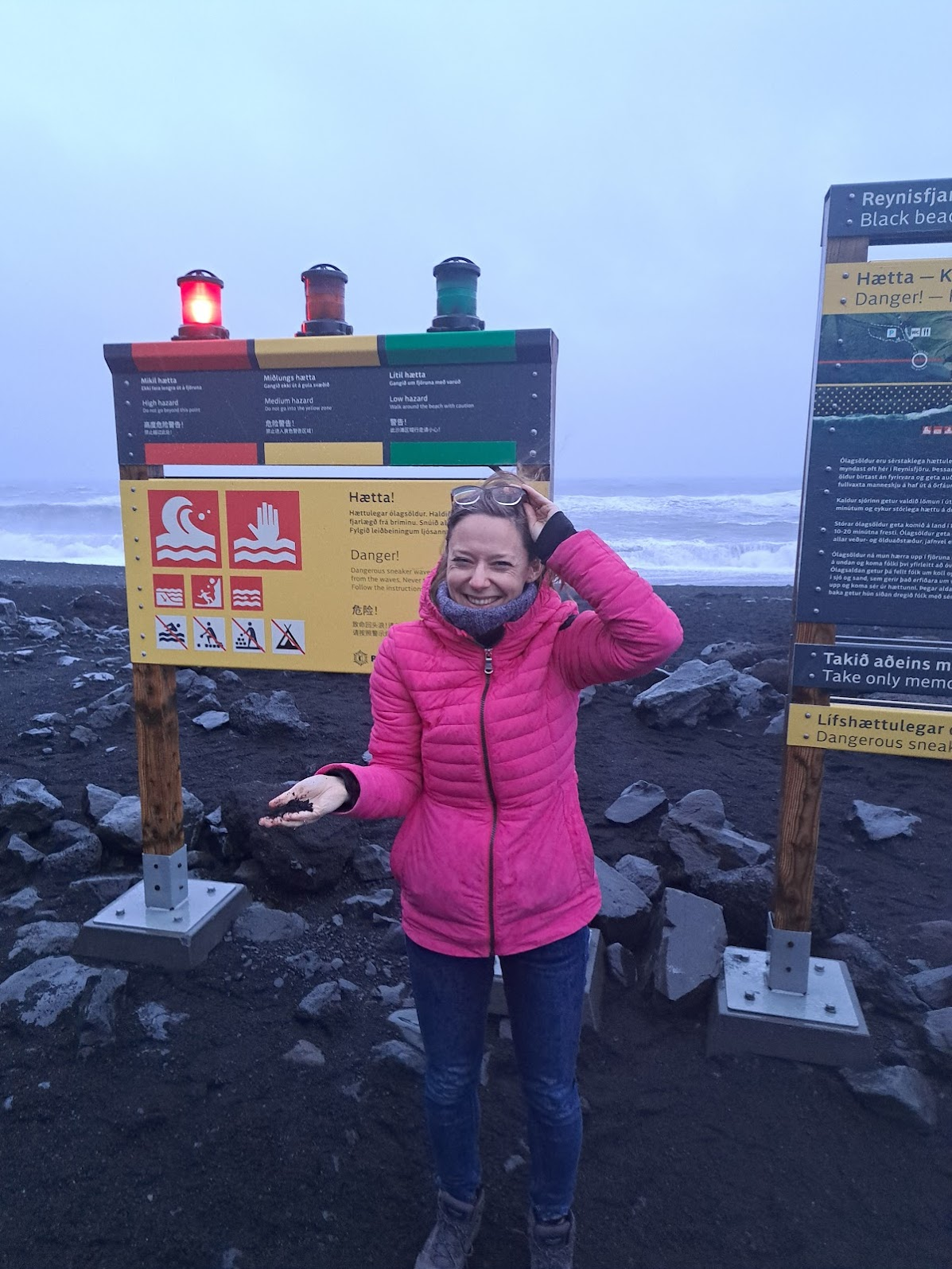
Dramatic black sand beach with basalt column formations and powerful waves. Pay attention to the wave warning signs — sneaker waves here are genuinely dangerous. Parking is 1,000 ISK regardless of how long you stay.
Vík
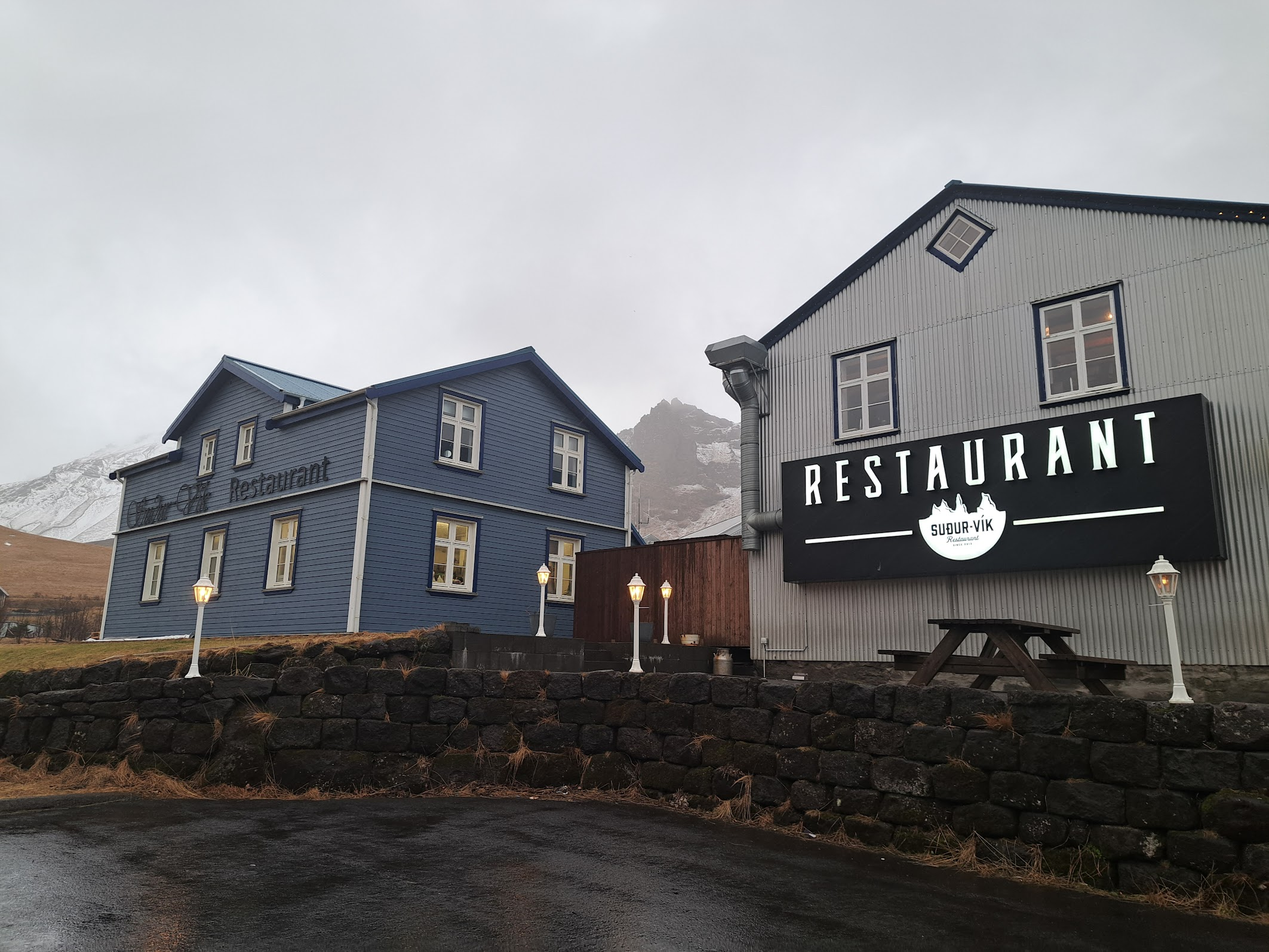
Cute coastal town worth stopping in for lunch or dinner. S-Vik restaurant is excellent — I had the arctic charr and skyr cheesecake, both outstanding. It’s small, so book ahead if you’re eating in the evening.
Eldhraun Lava Field
Stretches along Route 1 and looks otherworldly even under snow. In summer it’s carpeted in bright green moss. Either way, pull over and take it in.
Fjaðrárgljúfur Canyon
A winding canyon carved by glacial water — the final stop on a full South Coast day. Two car parks (A and B), both 1,000 ISK. When we visited, car park A (closest) was closed so we parked at B and walked up. Worth every step.
Eat on the route: We were too late for it, but Gamla Fjósið — an old dairy farm turned restaurant — comes highly recommended for atmosphere and food. Keep an eye on it as you drive through.
Extending to Day 3 on the South Coast
If you have accommodation along the route (Vík or further east), you can continue to:
- Þórsmörk (Thorsmork) nature reserve
- Stakkholtsgjá lava cave and waterfall
- Sólheimajökull Glacier — Iceland’s fourth largest glacier
- Jökulsárlón Glacier Lagoon and Diamond Beach — if you push further east, this is one of Iceland’s most photographed spots
We didn’t have time for these but they’re high on the return trip list.
Day 3: Sky Lagoon + Reykjavik
Sky Lagoon
We arrived at 9:30am and spent until midday. Sky Lagoon is the most impressive thermal spa I’ve visited — and I’ve been to quite a few across Europe (Slovakia, Poland, Portugal, the UK). The setting alone justifies the trip: an infinity-edge lagoon that appears to merge with the ocean horizon, with a moss-covered roof and open sky above.
We booked the Sky Pass (the premium tier). The main difference over the standard Pure Pass is access to private changing rooms and shower cubicles. Whether that’s worth the extra cost is personal — the 7-step ritual is the same either way:
- Lagoon soak — the main event; stay as long as you like
- Cold plunge — genuinely brutal; I lasted 1 minute in 4 x 15-second intervals
- Sauna — floor-to-ceiling windows over the ocean
- Cold mist shower
- Steam room with exfoliation scrub
- Shower
- Back to the lagoon (optional cold plunge repeat if you’re brave)
Steps 3–6 are one-time only, so take your time rather than rushing through.
Book in advance — it sells out, especially in peak months.
Reykjavik
We parked in Zone 3 (cheapest city centre zone) and paid 585 ISK for 3 hours. Worth checking the zone map before you park — it saves money.
Hallgrímskirkja church — the iconic concrete tower dominates the skyline. The tower costs around £7.50 to ascend and opens at 10am in winter (9am in summer). Worth it for the views.
Café Loki — directly opposite Hallgrímskirkja, and exactly what you want after a morning of sightseeing. Traditional Icelandic food done well. I had the Baldur plate: rye bread topped with cod and herring with eggs, plus rye bread ice cream (sounds odd, tastes excellent). Mike had lamb. Lattes were good too. Highly recommend.
We’d originally headed for Café Babalú (great decor, good reputation) but it was closed that day — Loki was the better outcome.
Brauð & Co — a short walk from Loki, excellent pastries and baked goods. Good for picking up something for the journey home.
The Wall Poetry murals — Reykjavik has a brilliant street art project across Laugavegur, Skólavörðustígur (also the Rainbow Street, painted in rainbow colours for Pride), and Grettisgata. These streets also have the best independent shops and quirky bars. We picked up lava chocolate for friends here.
Sun Voyager statue and Harpa Concert Hall — both near the harbour and easy to combine. Harpa’s glass facade shifts colour with the light — striking in person. I grabbed rye bread from a bakery between the two.
Tjörnin Lake — we detoured briefly since our car was nearby. Peaceful and pretty, especially if you have 10 minutes to spare.
Iceland in March: What to Expect
We visited mid-March and it was cold but manageable — temperatures around 2–6°C with wind. Snow was still present at higher elevations and on crater rims. A few things to note:
- Daylight hours are decent by mid-March — around 12–13 hours. You won’t be rushing to beat darkness.
- Crowds are lower than summer, which makes a real difference at popular spots.
- Volcano activity is always possible. The Blue Lagoon was closed during our visit due to an eruption on 16th March 2024. We’d planned to start there — we couldn’t. It turned out to be a blessing; we restructured and had a better trip as a result.
- Northern lights are possible on clear nights. Rent a car and check cloud cover forecasts — you can drive out of Reykjavik to darker skies independently.
Practical Costs Summary
| Item | Approximate Cost |
|---|---|
| Þingvellir car park | ~500–1,000 ISK |
| Geysir | Free |
| Gullfoss | Free |
| Seljalandsfoss car park | Paid |
| Reynisfjara car park | 1,000 ISK |
| Fjaðrárgljúfur car park | 1,000 ISK |
| Secret Lagoon | ~£20 |
| Sky Lagoon (Sky Pass) | Premium tier — book online |
| Hallgrímskirkja tower | ~£7.50 |
| Reykjavik Zone 3 parking | 585 ISK / 3 hours |
| Laugarvatn lava bread experience | ~£17 |
Final Tips
- Rent a car. Non-negotiable for this itinerary.
- Book Sky Lagoon in advance — it sells out.
- Book S-Vik in Vík if you’re eating there in the evening.
- Waterproofs are essential — especially at Seljalandsfoss.
- Faxafoss isn’t worth the parking fee — skip it.
- Gljúfrabúi waterfall near Seljalandsfoss is unmissable and most people walk past it.
- Zone 3 parking in Reykjavik saves money vs. central zones.
- Carry ISK cash or a card that doesn’t charge foreign transaction fees — parking machines vary.
Visited March 2024. Costs and opening times may have changed — always check ahead.